
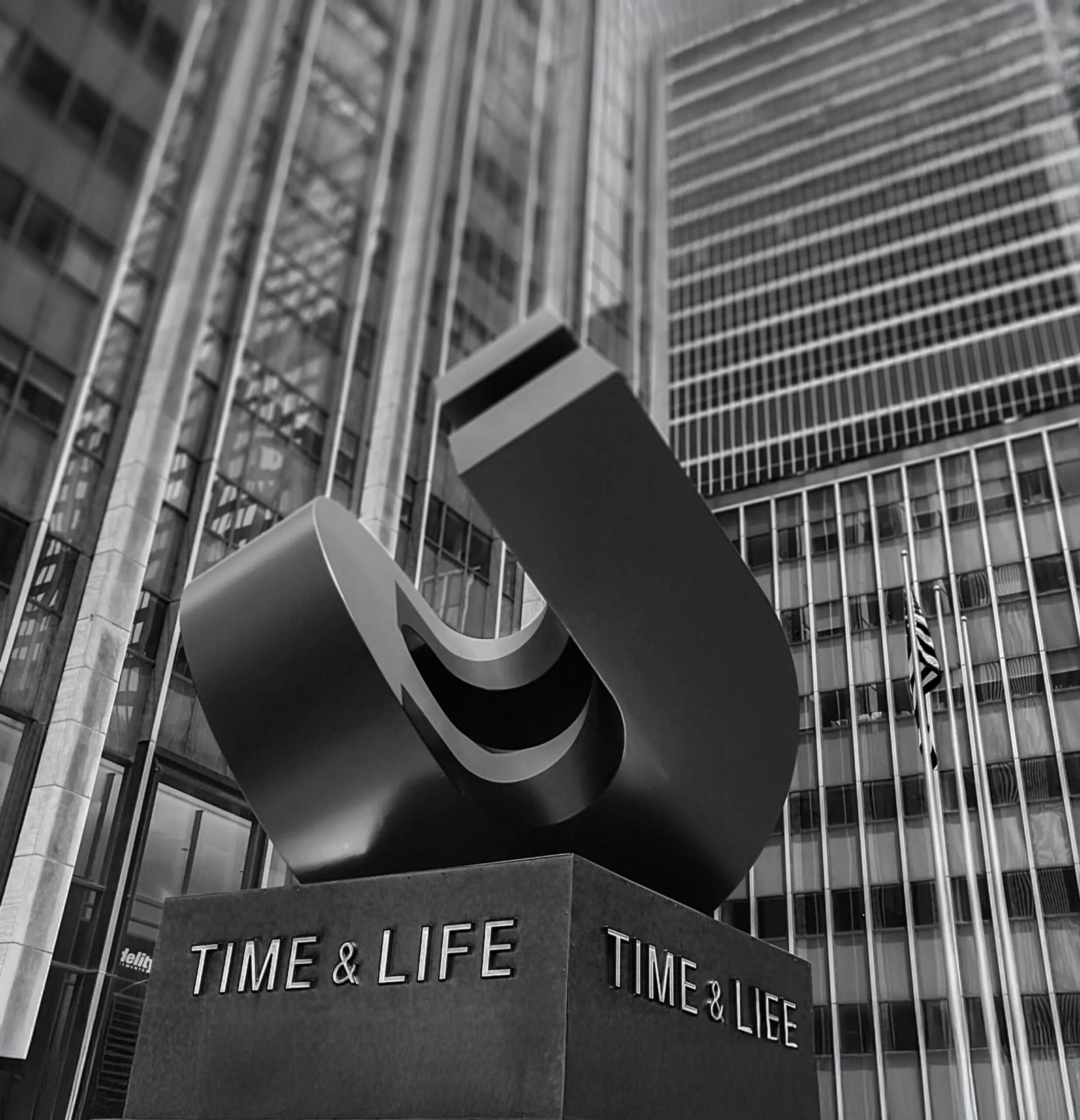
My Time
Time Magazine
Layout Artist at Time Life
Opportunities aren’t just about luck—they’re about placing yourself where they can happen. Persistence and a willingness to take risks create the circumstances you need.
My first job in New York was as a layout artist at TIME magazine—a crash course in both work ethic and the ethics of journalism. I learned to design at speed, turning around pages under relentless deadlines. One memorable assignment came during the production of the Person of the Year issue (then called Man of the Year), in an era before computers, cell phones, and even faxes were new. What follows is a three-minute read about that experience.

The Man of the Year cover
that ended up running that year.
“Can anyone here speak Italian?” TIME’s Art Director, Rudy Hoglund, appeared in the doorway, fresh from Provincetown and thrust into the Man of the Year deadline.
“I can,” I offered, though my Italian was mostly for ordering in restaurants. He handed me a slip of paper: Mario Donizetti and a Milan phone number. “Ask him how long it would take to paint a portrait for the cover.” The subject was hush-hush—Lech Wałęsa, leader of Solidarity—but Rudy wasn’t confirming anything.
From the receptionist’s desk, I dialed.
“Pronto?” came a woman’s voice.
“Pronto. C’è Mario Donizetti?” I asked, my tongue clumsy.
“Sono la moglie.” She explained her husband was not in, but I could explain what we needed. She said he could finish an oil in ten days, three if in pencil.
Rudy wanted him to go to Poland, paint Wałęsa in person—more movement, more power, eyes stormy with resolve. But our correspondents warned it was nearly impossible: the Polish government wouldn’t allow it, and Wałęsa himself was a moving target, never still for more than the time it took to light a cigarette.
A few days later, Donizetti’s wife called again. “Mario preferisce non andare in Polonia… ma comincia subito.” Ten days later, the portrait arrived—Wałęsa in three-quarter view, eyes narrowed into wind, background fading from turquoise to ultramarine. It was beautiful. It was never used. The cover had been moved up; another artist took the slot.
A few days later, Donizetti’s wife called again. “Mario preferisce non andare in Polonia… ma comincia subito.” Ten days later, the portrait arrived—Wałęsa in three-quarter view, eyes narrowed into wind, background fading from turquoise to ultramarine.
It was beautiful.
It was never used. The cover had been moved up; another artist took the slot.
At TIME, this was the reality of covers—multiple artists commissioned, knowing only one would see print. Breaking news could rewrite months of planning overnight. It was a constant negotiation between art and editorial, mood versus message.
That week taught me something I’ve carried into every project since: in editorial design, you work for the story, not the guarantee of the spotlight. The unseen work still shapes the final narrative.
DECEMBER 1980, TIME MAGAZINE